
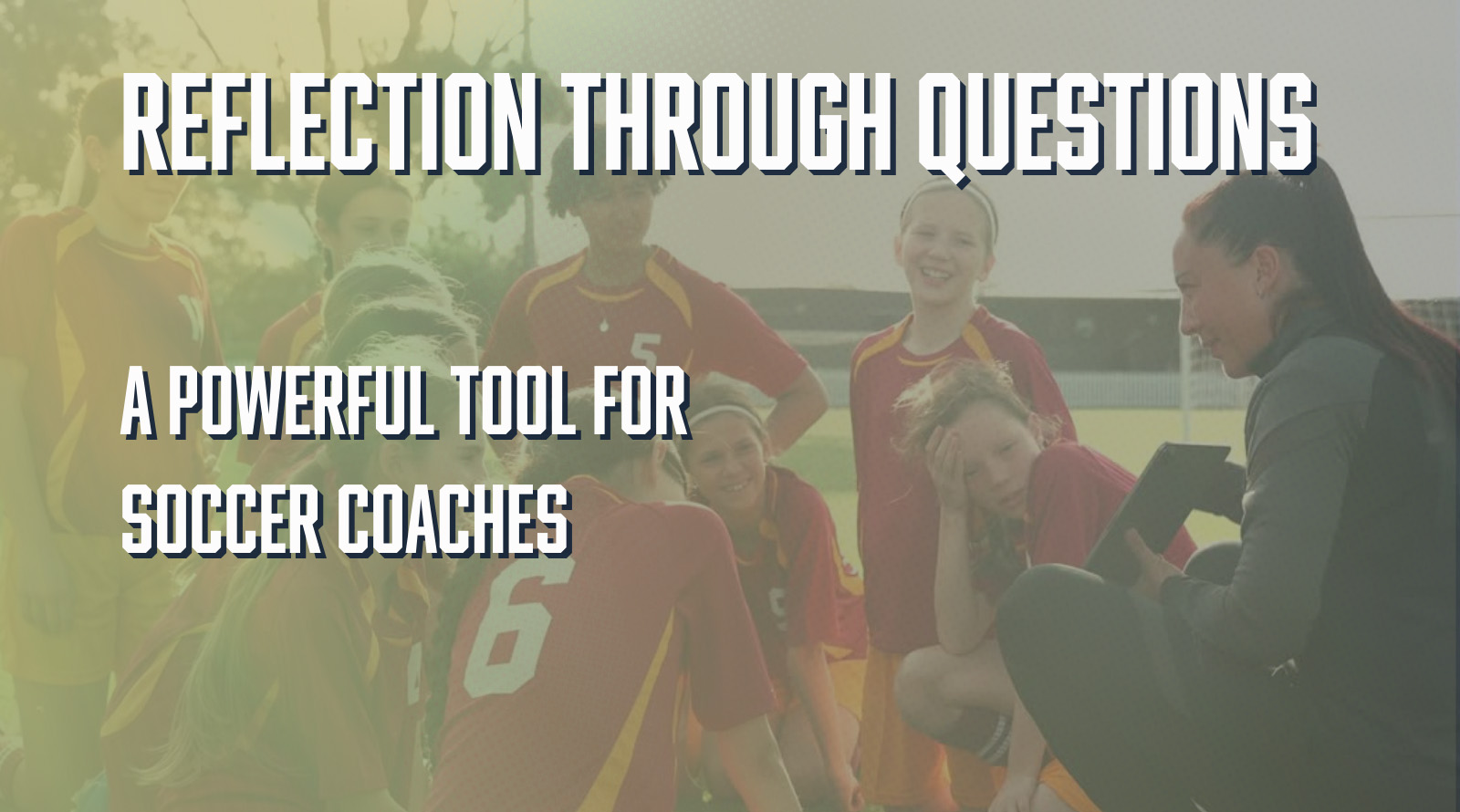
One of the most powerful tools a soccer coach has is reflection. Asking players a few thoughtful questions after practice or games helps them become more self-aware, more curious, and more connected to their teammates. When reflection becomes part of your team culture, players don’t just improve their skills, they also grow as people.
Why Reflection Matters
Soccer moves fast, and young athletes often jump straight from one activity to the next without pausing to think about what they did well or what they want to improve. Reflection slows the process down just enough for players to:
- Recognize their progress
- Learn from mistakes in a positive way
- Build empathy and gratitude for teammates
- Set meaningful goals
- Develop confidence through self-assessment
A few minutes of reflection can dramatically improve the mindset and emotional maturity of both young and older athletes.
How to Use Reflection Questions
After soccer practice or games, ask two or three open-ended questions. Keep the tone positive and curious, not judgmental. You can ask them aloud as a group, in pairs, or through a written handout (view & download at the bottom of the article). To make reflection age-appropriate, tailor your questions:
For younger soccer players (6–12):
- Use simple, concrete questions like “What was the best part of practice?” or “Who did you help?” Kids at this age connect best with short, specific prompts.
For older soccer players (13+):
- Use deeper questions that promote ownership, such as “What was most challenging for you during the game and how did you handle it?” or “What is one goal you want to set for the next game?” Older players benefit from thinking more critically about their effort, attitude, and role within the team.
Make It a Habit
- The key is consistency. Spend just a couple minutes after each session. Over time, you’ll notice players opening up more, taking greater responsibility, and becoming more supportive teammates. Reflection doesn’t replace hard work, but it makes that hard work more meaningful.
Potential Questions to Ask
For Younger Soccer Players (6–12 years)
- Think about today’s practice or game and answer these questions. Be honest and kind!
- What was the best part of today?
- What’s something you learned today?
- What mistake did you learn from?
- Who helped you today?
- Who did you help today?
- Who made you proud today?
- What is something new you want to try next time?
- How did your team work together today?
For Older Soccer Players (13+ years)
- Reflect on today’s practice or game. Write your thoughts to grow down, learn, and support your team.
- What was the best moment of practice/game today?
- What did you learn today, about yourself or soccer?
- What mistake did you make, and what did you learn from it?
- Who helped you today, and how?
- Who did you help today, and how?
- Who were you proud of today, and why?
- What challenged you the most today, and how did you handle it?
- What is something new you want to try next time?
- How did your team work together?
- What goal do you want to set for the next practice or game?
Encourage your players to answer honestly, even if it’s just a sentence. Reflection builds curiosity, confidence, and kindness!